SaaS has become the default way enterprises acquire software, which means any given organization has (or will have) dozens of apps that need to talk to each other. The average Marketing department uses around 30 different SaaS apps, and HR isn’t far behind. This webinar looks at the integration challenge that creates and when iPaaS is the right level of abstraction to solve it.

When Is iPaaS The Right Level Of Abstraction?
Related

CloudExpo 2016 - The Road to a Cloud First Enterprise
Companies must find a way to join both paths and view the transition to digital as a unified journey, with the end goal clearly defined, then utilize APIs to help them get there faster. The question then becomes, how can companies and developers leverage ESBs, APIs, and a Fast Data platform to cultivate innovation?
How To Build Extensions For Flogo Apps In TIBCO Cloud Integration
·9 mins
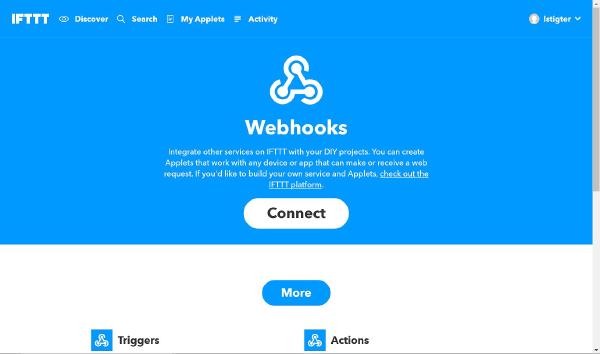
Last month TIBCO added the ability to add custom activities to TIBCO Cloud Integration — Web Integrator (I’ll use Web Integrator going forward). The Web Integrator experience is “Powered by Project Flogo”, so when you create your own extensions for Web Integrator, and use them in every flow that you want, those activities will work with Project Flogo as well. In this blog post I’ll walk through creating a new extension that connects to IFTTT using the WebHooks service.

How To Build Twelve Factor Apps with Node.js in TIBCO Cloud Integration
·6 mins
Back in 2012, the engineering team at Heroku created a set of best practices for developing and running web apps. That document, consisting of 12 important rules, became the 12 Factor App manifesto. It gained a lot of traction over the years, especially as microservices took off. Along with microservices came a wave of related practices and tools — git, DevOps, Docker, Configuration Management — that all reinforced these principles.