

Recent
I Built a Morning Briefing That Reads My Slack, Email, Calendar, and Reminders
·6 mins
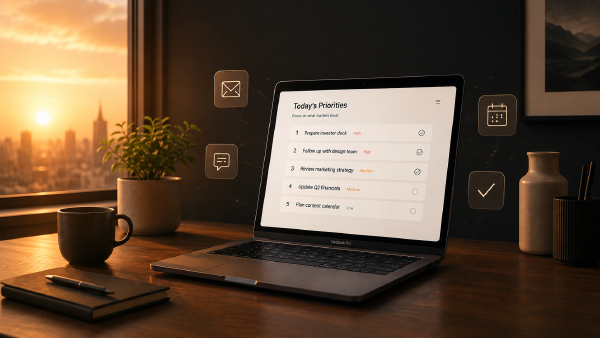
I used to spend the first 30-45 minutes of every workday catching up. Open Slack, scroll through 15+ channels. Open email, scan the inbox. Check the calendar. Check reminders. By the time I’ve figured out “what needs my attention today?”, I haven’t actually done anything yet. In this post, I describe how I solved that for me.

How I Used an AI Study Buddy to Pass the AWS Solutions Architect Associate Exam
·6 mins
I passed the AWS Solutions Architect Associate exam yesterday and I’m not going to pretend it was easy or that I didn’t study; It wasn’t easy and I definitely had to study. But the way I studied was different from anything I’ve done before, and I think that’s worth sharing.

Karpathy's LLM Wiki: Two Implementations, One Missing Piece
·12 mins
The pattern # Andrej Karpathy posted a gist about building personal knowledge bases with LLMs. 41,000 people bookmarked it. Most of them might never build one.
The idea is straightforward: instead of RAG (upload files, retrieve chunks, generate answers from scratch every time), you have the LLM build and maintain a persistent wiki. New sources get integrated into existing pages. Cross-references happen automatically. Contradictions get flagged. The knowledge compounds instead of being rediscovered on every query.
From MCP Server to Kiro Skill: Managing Apple Reminders with AI
·5 mins
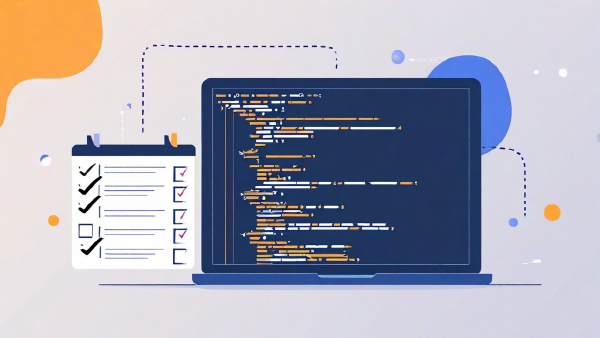
The setup # I’m an Apple person. Notes for thinking, Reminders for doing. It’s simple, it syncs everywhere, and it stays out of my way. I’ve used Reminders for years to track what needs to happen and when.
But as I started spending more time in AI-powered development environments like Kiro, I noticed a friction point: every time I thought of a task while coding, I had to switch apps to add it to Reminders. Context switch, lose focus, come back, try to remember where I was. The classic productivity killer.
Streamline Unified Data Governance with AWS Lake Formation and Dremio
·6 mins
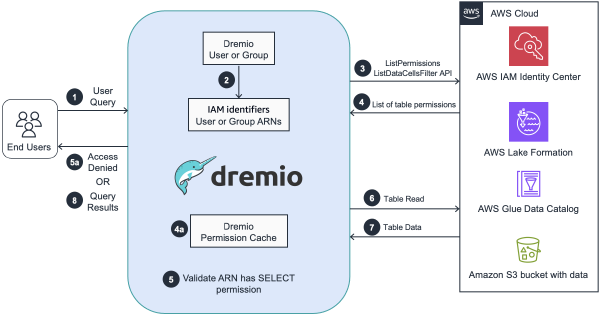
Customers are building large data lakes on Amazon Web Services (AWS) to democratize their access to data. As a result of that, data governance becomes increasingly important. Customers need to know data is accessed at the right time, by the right people, and in the right context. To implement fine-grained data access permissions, customers use AWS Lake Formation. AWS Lake Formation provides data access controls for AWS services like Amazon Redshift, Amazon Athena, and Amazon EMR. It also offers data access controls for AWS Partners like Dremio.
AWS Lake Formation 2023 Year in Review
·10 mins
AWS Lake Formation and the AWS Glue Data Catalog form an integral part of a data governance solution for data lakes built on Amazon Simple Storage Service (Amazon S3) with multiple AWS analytics services integrating with them. In 2022, we talked about the enhancements we had done to these services. We continue to listen to customer stories and work backwards to incorporate their thoughts in our products. In this post, we are happy to summarize the results of our hard work in 2023 to improve and simplify data governance for customers.